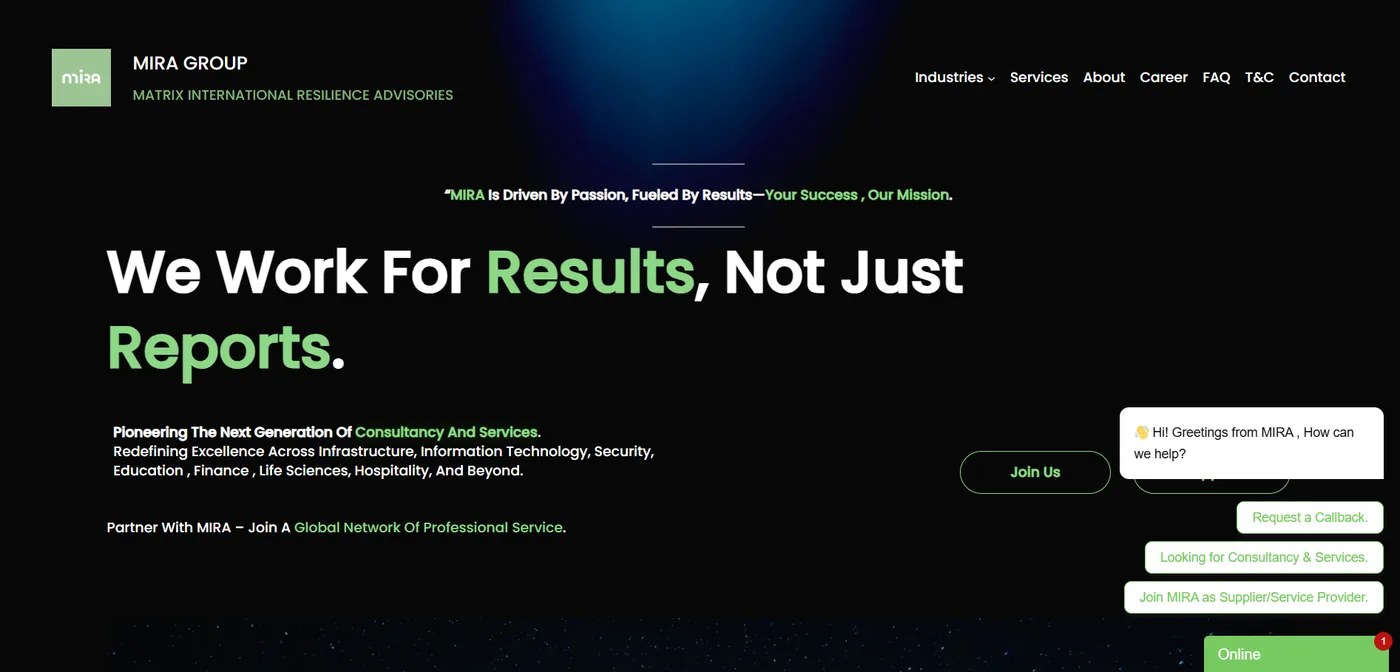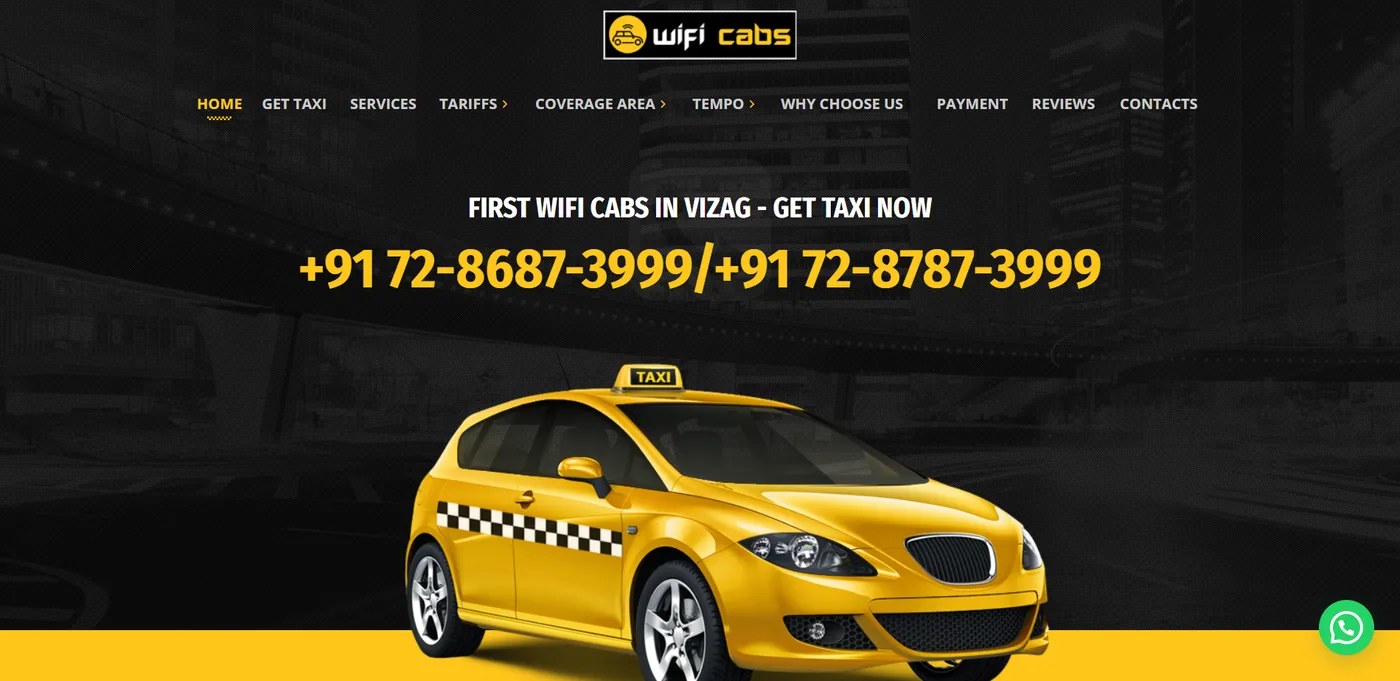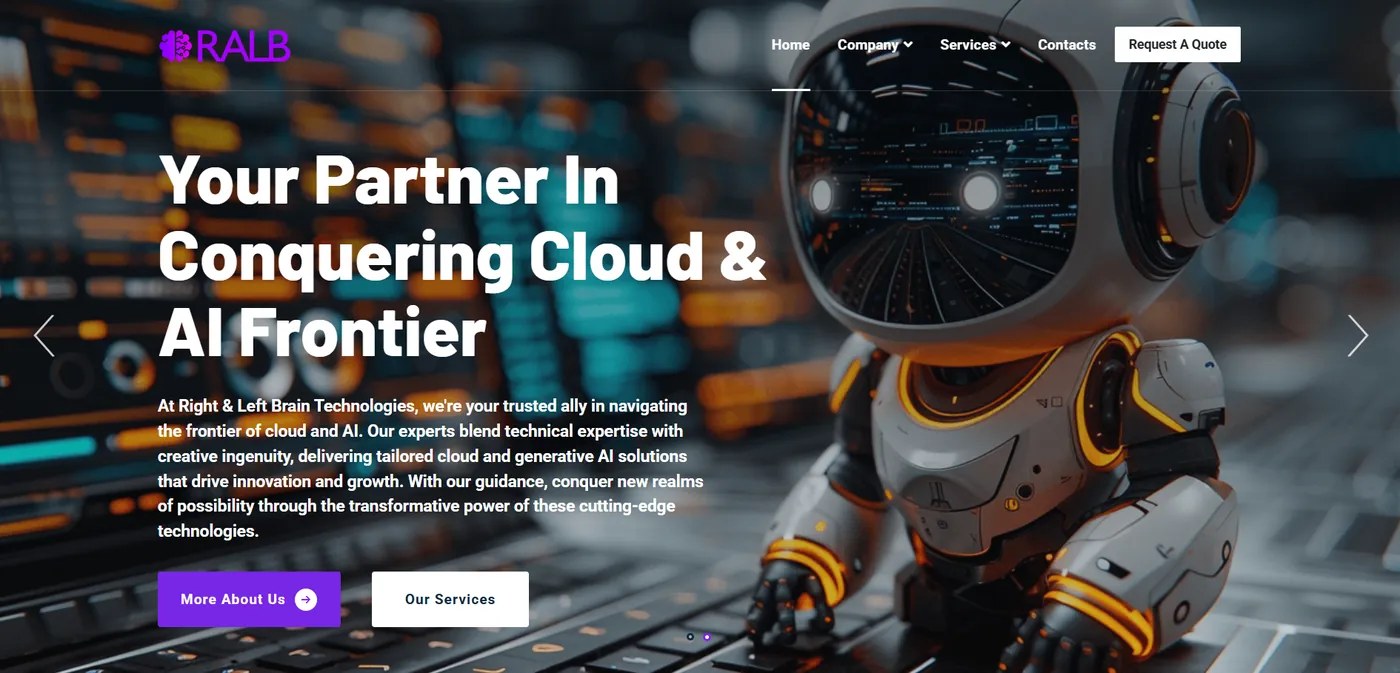
A website redesign should do more than make a brand look modern. The objective is to improve clarity, trust, usability and conversion while creating a technical foundation that can support future marketing.
A growing business had a website that no longer reflected its current positioning. The site contained useful information, but visitors had to work too hard to understand the value proposition, navigate services or find the next step.
Visual design felt dated compared with current digital expectations.
Create a modern, credible digital first impression.
Navigation and page hierarchy were not aligned with the visitor journey.
Make the value proposition understandable within seconds.
Core services were described from the company's perspective instead of the customer's problems and outcomes.
Reduce friction across the discovery-to-enquiry journey.
Mobile usability and consistency needed improvement.
Build reusable page structures for future content and campaigns.
Calls-to-action were weak or scattered, reducing the number of meaningful enquiries.
Strengthen the technical base for SEO and AI-search discoverability.
Reframed the website architecture around audience needs, industries, services and use cases.
Introduced a clearer visual hierarchy, consistent components and stronger content structure.
Rewrote priority pages around pain points, benefits, proof and calls-to-action.
Designed responsive layouts for mobile, tablet and desktop.
Improved technical foundations such as performance, internal linking, metadata, accessibility and crawlability.
A structured delivery path, so nothing is left to chance.
A clearer customer journey from landing page to enquiry.
Stronger brand credibility and a more current digital experience.
More visible and consistent conversion points across key pages.
A scalable structure for future SEO, content and campaign activity.
The redesign is successful when the website becomes easier to understand and easier to act on – not simply when it looks better.
All case studiesAI-powered digital solutions that turn traffic into qualified leads.